Why Do Fishing Games Use Boats, Hooks, Nets, and Traps as Symbols?
Fishing games have long captivated players with their blend of relaxation, suspense, and vivid storytelling, and a big part of their appeal lies in the rich cultural imagery they invoke. If you've browsed through the online casino game catalogue at MrQ, you’ll notice a consistent use of fishing gear symbols like boats, hooks, nets, and traps. These aren’t just random props — they are carefully chosen icons that tap into deep-rooted fishing traditions, storytelling motifs, and https://varimail.com/articles/why-sea-themes-are-a-safe-pick-for-casino-game-designers/ the moods that come with life on the water.
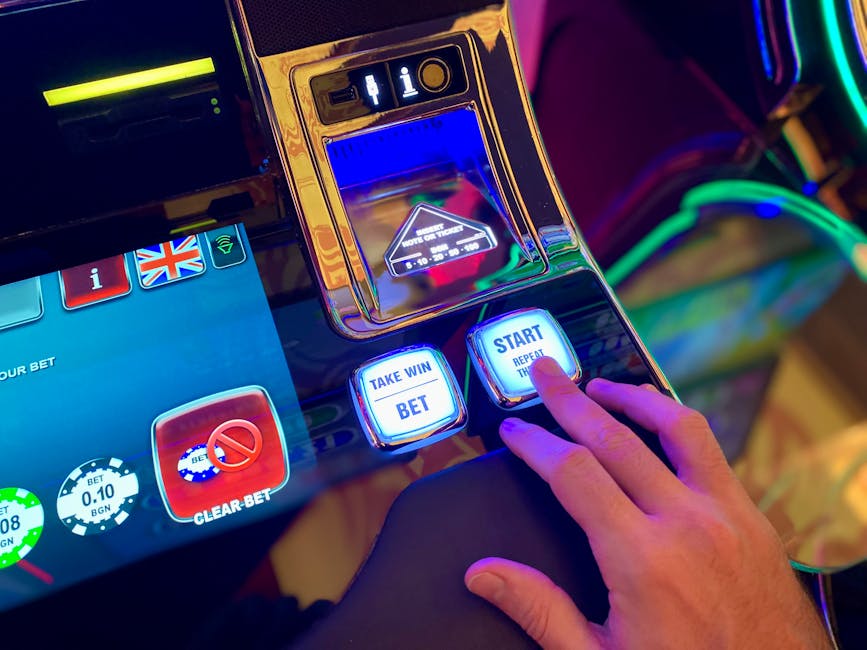
Drawing on resources like the exhibit and gallery pages at the Western Australian Museum, which showcase maritime artifacts and cultural fishing imagery, we gain a richer insight into why these tools have become natural metaphors and standout visuals in fishing games. Let’s dive into the currents behind these symbols and explore how they power the storytelling, mood, and player experience in digital fishing adventures.
Fishing as Built-In Suspense and Story Structure
One of the most compelling reasons fishing gear features heavily in these games is how well they model suspense and progression — the core ingredients of any good story. The simple act of fishing naturally builds anticipation: Will this cast yield a catch? How big will it be? Will it get away?
- Boats: These vessels represent the starting point of the journey into the unknown. They set a mood of adventure and exploration, whether it’s a calm pier or stormy deck.
- Hooks: The perfect tool for creating dramatic tension. The player’s skill is tested when the hook strikes, initiating a battle of wills with the fish.
- Nets and traps: These signify strategy and patience, often used to catch multiple fish or the “big catch.” They highlight a shift from individual struggle to broader success or reward.
Because each tool aligns with a specific stage or flavor of fishing, they naturally guide narrative arcs within the gameplay. The player starts with hope on the deck or pier, waits with suspense as the hook is cast, and celebrates victorious capture with nets or traps. This arc resonates across all cultures with a fishing heritage, adding immediate relatability and emotional payoff.
Recognizable Silhouettes and Bright Marine Color Palettes
Beyond functional story elements, the visual design of fishing symbols taps into instantly recognizable shapes and colors that pop on screen — a crucial factor in grabbing attention in any online game catalogue, like those on MrQ.
Symbol Silhouette / Shape Typical Color Palette Cultural/Visual Impact Boat Curved hull, sails or motor outlines White, navy blue, reds, bright yellows Adventure, freedom, journey Hook Sharp, curved, claw-like Metallic silver, ocean blue contrasts Precision, focus, suspense Net Mesh pattern, round or square shapes Earth tones, green, turquoise Strategy, collective success Trap Boxy, trap-door style Brown, natural wood hues Patience, resourcefulnessThese https://casinocrowd.com/why-do-sea-themed-games-often-use-a-wooden-pier-scene/ high-contrast, iconic shapes not only help players instantly recognize the fishing elements but also contribute to the overall mood. For example, bright blues paired with coral reds evoke tropical reef settings, while muted browns and greens recall rugged coastal fishing scenes — something encyclopedic public resources like the Western Australian Museum's maritime galleries beautifully illustrate.
Big Catch as a Natural Bonus-Feature Metaphor
Fishing’s ultimate prize — the “big catch” — has a direct analog in game design as a rewarding bonus feature. It stands as a metaphor for success earned through patience, skill, and a bit of luck.
In many fishing-themed slot games and video games you explore on sites like MrQ, the occasional appearance of a large fish or lobster accompanied by complex gear like traps signals that a bonus round or jackpot is just within reach. This taps into the same heart-pounding moment every angler dreams of: the fight and the thrill of landing something extraordinary.
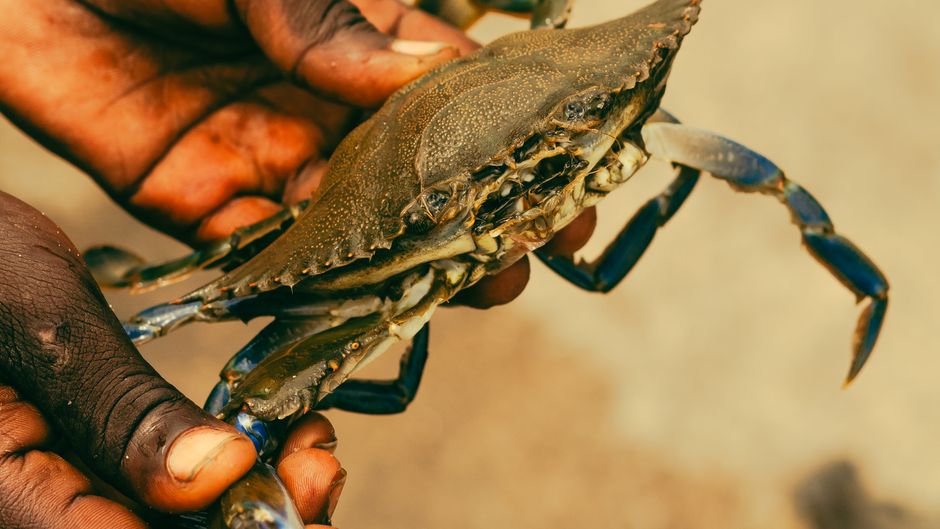
It’s no surprise that developers lean into this metaphor because:
- It keeps motivation high, as players anticipate the “big one.”
- The reward feels organic and thematic, enriching immersion.
- It allows for gameplay mechanics that mimic real fishing challenges.
Such bonus moments are not just random; they resonate because they echo the cultural imagery of fishing as a high-stakes, rewarding endeavor — a theme well documented in the Western Australian Museum’s collections, where fishing stories often mingle toil and triumph.
Mood Control: Calm Leisure vs. Danger vs. Hard Work at Sea
Fishing’s mood shifts dramatically depending on context, and games that effectively use boats, hooks, nets, and traps exploit this versatility to shape player experience.
- Calm leisure: Soft waves, sunny skies, and gentle boat rocking create relaxing gameplay moments. Silhouettes of simple hooks or small nets convey easy, low-stakes fishing.
- Danger and suspense: Darkening waters, thunderous clouds, and tense animations bring edge-of-your-seat excitement. Jagged hook shapes and looming traps heighten alertness.
- Hard work at sea: Weathered boats, complex net deployments, and team-structured trapping sessions suggest effort and perseverance. Browns and deeper ocean tones convey grit.
This control over mood is crucial for fishing games because it allows developers to cycle gameplay between relaxation, excitement, and challenge — preventing repetitiveness and keeping player interest peaked. Sites like MrQ, known for their diverse online casino offerings, often feature titles that shift these moods fluidly, providing a dynamic fishing experience.
Furthermore, the cultural richness seen in museums such as the Western Australian Museum enriches these artistic choices. Visitors can see how fishing implements are not only practical tools but carriers of mood and meaning across indigenous and contemporary maritime communities.
Cultural Fishing Imagery and Its Enduring Appeal
We can’t discuss fishing gear symbols without acknowledging their deep cultural roots. Nets, hooks, traps, and boats are laden with stories from countless cultures around the globe — from Jamaican artisanal fishing to Nigerian coastal communities, and the centuries-old Aboriginal fishing techniques documented in Australia.
These symbols carry more than just utility; they encode:
- Heritage and identity
- Folk wisdom and craftsmanship
- Societal rhythms around seasons, tides, and ecology
The use of these icons in fishing games pays tribute to these layers of meaning, offering players more than just visual flourishes. They evoke a connection to human traditions and the universal drama of life and survival at sea — elements that no generic buzzword-filled slot or fishing title could replicate without this cultural backbone.
A Note on Repetition and Design
One personal pet peeve is when developers lean too heavily on the same “fishing gear symbols” without innovation, making the theme feel stale. When every fishing game presents the same dull hook or flat net silhouette without variation in color, shape, or mood, the symbolic power diminishes.
Fortunately, digging into museum archives or exploring vast catalogues like those at MrQ shows that there’s a wealth of inspiration beyond the typical iconography — from hand-crafted traps that look like art to boats with unique regional designs that can breathe fresh life into fishing game visuals.
In Conclusion
Boats, hooks, nets, and traps are much more than mere props in fishing games. They are powerful symbols tied tightly to storytelling, visual impact, player engagement, and cultural heritage. From the suspense of waiting for a bite to the joy of landing the big catch, these tools deliver mood control and reinforce narratives that resonate universally.
By examining these symbols through the lens of real-world fishing cultures — as beautifully archived by institutions like the Western Australian Museum — and recognizing how gaming platforms like MrQ showcase a wide array of fishing-themed games, we appreciate the depth behind these choices. It's no wonder that these fishing gear symbols remain iconic and relevant, anchoring the genre’s enduring appeal.