When Should I Say ‘Betting’ Instead of ‘Gambling’?
Understanding the precise difference between betting and gambling is more important than many realise—especially in today’s bustling UK market of online casino sites and sports books. Whether you write about the industry, work within it, or simply enjoy playing, knowing when to use betting versus gambling ensures clearer communication and aligns with legal and regulatory norms.
Why Choosing the Right Word Matters
Words like “gaming,” “gambling,” and “betting” are often used interchangeably. However, this vagueness can confuse readers or players. The UK Gambling Commission’s website offers clear definitions that help us understand these categories in the regulatory context:
- Gambling is the umbrella term encompassing all activities where someone risks money or something of value on an outcome that is at least partly chance-driven.
- Betting is a specific form of gambling involving wagering on the outcome of an event—usually sports or other events with measurable results.
- Casino refers to a venue or platform where certain types of gambling take place, typically involving games of chance like slots or roulette.
By respecting these distinctions, content creators avoid misleading statements, align with legal definitions, and build trust with UK audiences.
Gambling: The Umbrella Term
Gambling refers broadly to activities where someone stakes money or something valuable on an uncertain outcome. Under this umbrella, diverse activities fall:
- Betting on sports matches, horse races, or other event outcomes.
- Gaming at online casino sites, including slot machines, poker, blackjack, and roulette.
- Lotteries and raffles.
- Bingo and other chance games.
The UK Gambling Commission defines gambling thus:
Gambling means betting, gaming or participating in a lottery.This phrase explicitly shows that betting is a subset of gambling, not its synonym. When writing articles, blogs, or reviews about online casino sites, this distinction clarifies whether you’re covering all gambling forms or just sports betting.
Common Misstep: Calling Every Gambling Site a ‘Casino’
Content often incorrectly equates casino with all forms of gambling, leading to confusion. Many online platforms offer sports betting but no casino games. Others are pure casino operators without any betting markets.
Example:
- Incorrect: “The casino offers live betting and slots.”
- Correct: “The site offers sports betting markets and a casino with slots.”
This subtle but important wording change tells readers exactly what to expect.
Betting: Outcome-Based Wagering Explained
Betting specifically entails placing a wager on an event with a known or anticipated outcome, where the reward depends on the correct prediction of that outcome. This could be the winner of a football match, the time at which a horse crosses the finish line, or the number of goals scored in a game.

The UK Gambling Commission confirms:
Betting involves staking money on the outcome of events whose results are uncertain at the time of the bet.Sports Betting as the Prime Example
Sports betting is the largest and most popular form of betting under the gambling umbrella in the UK, spanning football, horse racing, tennis, and more. Enthusiasts place bets on fixed odds, accumulators, or in-play events.
When discussing sports betting, clarity demands you use the term “betting” rather than “gambling,” since other forms like slots or bingo don’t involve betting on an external event outcome.
An Example: How Small Word Swaps Change Meaning
Original: “I enjoy gambling on football matches."
Revised: “I enjoy betting on football matches."
Why it matters? “Gambling” could https://enyenimp3indir.net/why-do-regulators-care-about-the-words-betting-and-gaming/ mean various activities, but “betting” specifies the action of wagering directly on sports, clarifying your meaning.
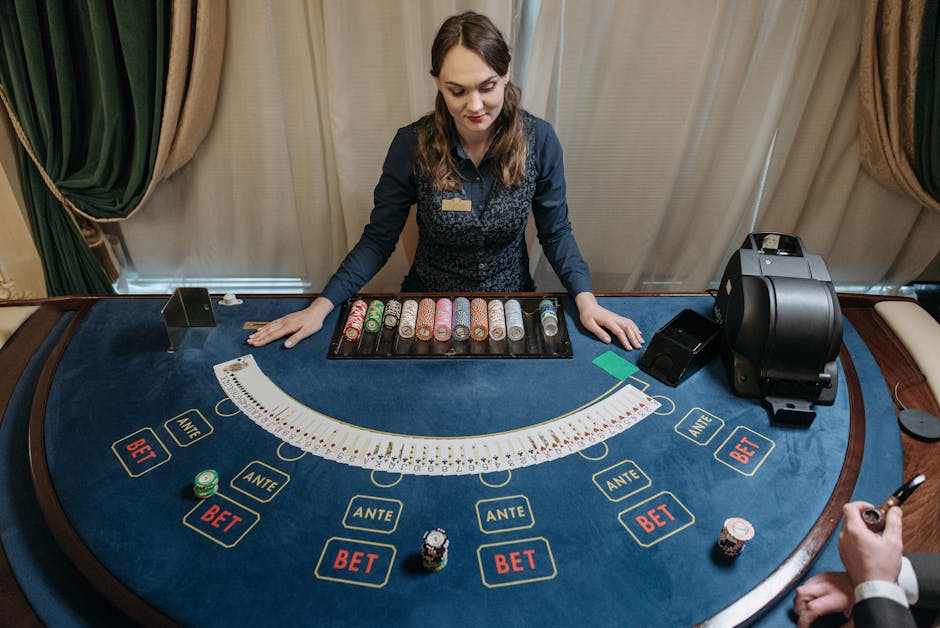
Online Casino Sites: A Mixed Environment
UK online casino sites often offer a broad mix of gambling activities.
- Casino games: Slots, roulette, blackjack, poker — games played within the casino environment, often against the “house.”
- Sports betting: Markets covering live or pre-match sports events, horse racing, esports.
- Other gambling: Bingo, lotteries, virtual games.
Calling every online casino site a “casino” or just a “betting site” is often inaccurate. Many operate across both realms, so you might say “online sportsbook and casino” or “online gambling platform” as more precise terms.
Why This Helps With Compliance and Reader Trust
The UK Gambling Commission regulates all these sectors but differentiates what is gaming category UK their licences and technical standards according to the activity (betting vs. gaming). Mislabeling can mislead customers about what protections and services apply.
If you’re writing for UK readers, accuracy in these terms shows respect for the regulatory framework and helps content pass internal compliance checks — including ensuring you don’t scrape data without prices or key information (a common pitfall).
Key Takeaways: When to Use ‘Betting’ vs. ‘Gambling’
Term Meaning Appropriate Usage Example Gambling Any game of chance or risk involving money or value General references covering multiple activities “Gambling is regulated by the UK Gambling Commission.” Betting Wagering on the outcome of uncertain events Sports or event outcome wagering only “Sports betting saw record growth last year.” Casino Venue or platform for casino-style gambling games Referring to games like slots, roulette, poker “The online casino offers a great selection of slots.”Final Thoughts
When writing about UK gambling topics, always remember that “betting” is a subset of “gambling,” specifically involving outcome-based wagers like sports betting. Using these terms correctly reflects the UK Gambling Commission’s categories, improves clarity, and ensures content compliance.
Next time you draft a blog post or review, ask yourself: am I talking about all gambling, just betting, or casino-style games? Choose your words with precision to better serve your audience and uphold industry standards.
And finally, avoid vague phrases like “gaming” when you mean gambling or betting. Precision in language helps everyone — from players to regulators — understand the message clearly.