What Is Live Casino Gaming and How Is It Different from RNG Games?
Open a casino app and the first difference may be visible before you place a bet. A live casino lobby often shows video tiles for tables, dealers and game-show-style titles. An RNG casino lobby, by contrast, usually presents game art, studio logos and menus for slots or digital table games. Both can offer familiar casino formats, but the experience behind the screen is different.
Live casino games use a real dealer or presenter filmed in a studio, with the action streamed to players. RNG games use a random number generator: software that determines each game outcome. That distinction affects how the game looks and feels, how quickly you can play, and what kinds of decisions you make. It does not, by itself, mean one format has better odds or is more likely to produce a win.
This guide explains the difference between live dealer vs RNG games, what players can expect from a real dealer casino, and why streaming and game-show production have become part of the online casino experience.
Start with the lobby: what you see first
In a live casino lobby, games are commonly grouped by type, provider or popularity. You may see roulette and blackjack tables alongside baccarat, poker-style games and more theatrical game-show formats. A preview image or video can show the dealer and table, while labels indicate details such as the game variant, table limits or whether a seat is live baccarat tips available. The exact information depends on the operator and software provider.
An RNG lobby tends to be more catalogue-like. It may group games into slots, roulette, blackjack and other categories, with illustrated thumbnails and filters. Some digital table games use animated cards or a virtual wheel; others keep the presentation simple. In either case, the outcome is generated by the game’s software rather than by a live physical wheel, cards or dealer action being streamed to you.
On a mobile screen, the lobby matters. Players often dip in for a short session, switch between apps or play on a connection that is not perfectly steady. A useful live lobby available on mobile should make game types and table information easy to scan, and it should be clear what will load before a player joins. Video can use more data than a static RNG game, so a weak Wi-Fi or mobile connection may affect the viewing experience.
How live casino games work
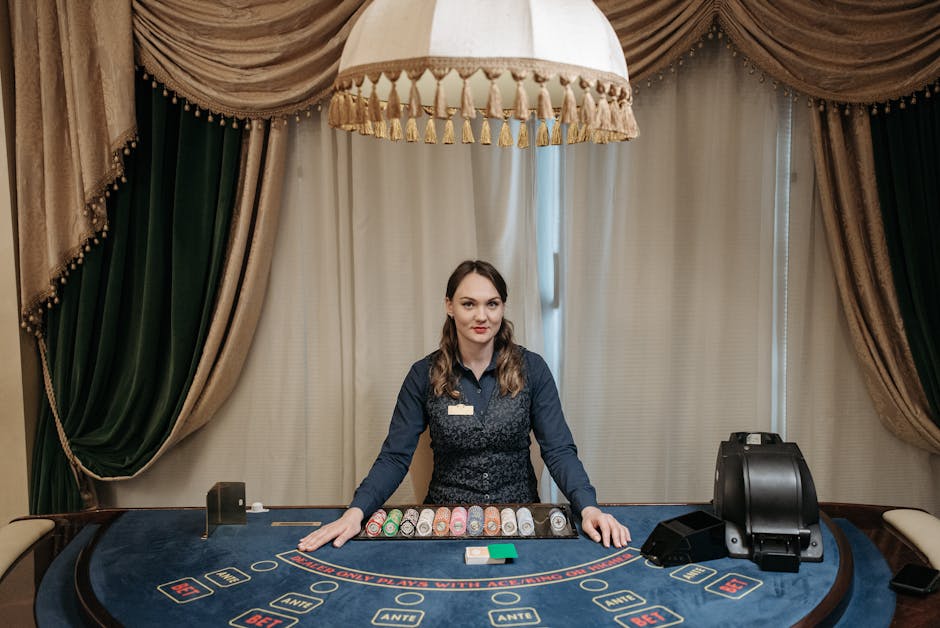
A live casino game is filmed in a studio, where a dealer or presenter conducts the round. Cameras capture the table or set, and streaming technology sends that video to players. A digital interface sits alongside the stream so you can place bets, view available options and, in some games, use a chat or interaction feature.
In a live roulette game, for example, the dealer spins a physical wheel. Players place bets through the on-screen controls, and the result is shown on the stream. In live blackjack, a dealer handles physical cards, while players choose from the actions offered by the game interface. The screen may also display the current round, betting timer and results.
That makes a real dealer casino different from a video of a dealer or a pre-recorded animation. The streamed round is happening in real time, although the interface still mediates how you take part. You are not physically handling chips or speaking across a table, and the experience depends on the stream, the software and your internet connection.
How RNG table games work
RNG stands for random number generator. In an online casino game, software uses an RNG to determine outcomes according to the game’s rules. In digital roulette, for instance, the software selects the result rather than a live wheel being spun on camera. In an RNG blackjack game, the software deals the cards and processes the round.
RNG table games can be designed with animation, sound and a virtual dealer, but those visual elements do not make the game live. The important distinction is where the outcome comes from: an RNG-based game produces the result through software, while a live game streams a physical game in progress.
RNG formats are often convenient for quick play. A round may begin as soon as you make your selections, with no need to wait for a live table’s betting window or the current hand to finish. Game speed varies, and many games offer settings that affect the pace, so it is worth checking the controls rather than assuming every title plays at the same tempo.
Live dealer vs RNG: the main differences
What to compare Live casino RNG game How outcomes are produced A physical game is conducted in a studio and streamed. Software uses an RNG to determine outcomes. What appears on screen Live video of a dealer, table or presenter, plus game controls. Digital graphics, animations or a virtual table interface. Round timing Often follows a shared table schedule and betting window. May allow a player to start the next round when ready. Interaction May include chat, dealer interaction or game-show choices. Usually focuses on selecting bets and using game controls. Connection needs Video streaming can be more demanding on a connection. Often works without a continuous live video stream.These are general differences, not guarantees about every title. Some live games are brisk, and some RNG games have elaborate presentation. Game rules, table limits, betting windows and available features vary by game and operator.
Interactivity and player decision-making
Interactivity in a live game can mean more than watching a dealer. Depending on the title, players might place bets during a countdown, choose from a set of options, use a side-bet feature or communicate through a moderated chat. Game-show formats can add decisions that affect the on-screen flow, such as choosing a category or selecting a multiplier. The available choices are defined by the game, so it is sensible to read the rules before joining.
In traditional table games, decision-making is usually about the rules of the game. A blackjack player may choose whether to hit, stand or take another permitted action. A roulette player chooses where to place bets before the wheel spins. Those decisions can affect how a round unfolds, but they do not provide a way to control a random result.
It is also worth separating decision-making from the idea of improved chances. A more interactive format does not automatically mean better odds, and a live dealer does not change the underlying rules or payout structure. To compare games, look for the rules, paytable or return information provided for that specific title. Broad claims such as “better odds” are not useful without clear, game-specific evidence.
Streaming expectations and casino entertainment
People are used to watching live video across sport, music, social platforms and streaming services. That shapes what they expect from online entertainment: a clear picture, responsive controls and a sense that something is happening now. Entertainment coverage from outlets such as Variety reflects how much attention audiences give to presentation and production, not just the underlying format.
Live casino applies some of those expectations to gambling. A well-produced stream may use multiple camera angles, clear table views, lighting and a confident presenter. But online casino video has practical limits. A stream can lag, a mobile connection can drop, and the interface may not feel as immediate as being in the same room. The dealer can be visible and personable without the experience being identical to a physical casino.
Production value is most noticeable when it helps you follow the game. A close-up of the wheel or cards, legible on-screen information and a steady stream are more useful than elaborate staging alone. On a phone, a busy set can even make it harder to see the action if the table is squeezed into a small window.
Why game-show formats are part of the live lobby
Some live casino titles borrow the look and pacing of television game shows. They may feature a host, a bright set, large graphics, sound cues and rounds built around selections or bonus features. These games are designed to feel https://varimail.com/articles/why-do-some-live-tables-have-better-lighting-and-cameras/ more like a presented event than a quiet digital table, while still operating under the rules and controls of a casino game.
The appeal is partly about variety. A player who is less interested in a conventional card table may prefer a format with a presenter and more visible on-screen choices. But production does not tell you whether a title suits you. Check how the game works, what decisions are available, how bets are placed and what the rules say about prizes or bonus rounds.

For example, the mrq live casino section at mrq.com is one place players may encounter live titles and presentation-led formats, depending on the games available to them. Variety in a lobby can make browsing easier, but the useful question is still what each game offers: its rules, pace, interface and limits. Availability can vary by location and account eligibility.
Choosing between live casino and RNG games
Neither format is automatically the right choice for every player. Your preference may depend on whether you value a live presenter, a quick solo round, a familiar table layout or a more production-heavy format. Use the game’s information and controls to decide, rather than relying on labels alone.
- Choose live casino if you enjoy watching a dealer conduct a physical game and are comfortable with a shared pace and streamed video.
- Consider RNG table games if you prefer a digital interface and want to play without waiting for a live table’s round schedule.
- Check the details first: review rules, betting limits, game pace and any relevant payout information before playing.
- Think about your connection: a live stream can be less convenient on spotty Wi-Fi or during a short mobile session.
- Try the interface carefully: where a free-play or demo mode is offered, it can help you understand the controls before wagering.
A simple way to tell them apart
The simplest distinction is the source of the game action. Live casino games show a real dealer or presenter conducting a game in a studio and send that action to you as a stream. RNG games use software to generate outcomes, even if they include a virtual dealer or polished animation.
Both formats can include familiar games, but they offer different rhythms and ways of participating. Live play brings a shared, streamed table experience; RNG play often brings a more direct digital round. Neither changes the need to understand the rules or manage your play sensibly. If you choose to gamble, set a budget and time limit before you start, and treat it as paid entertainment rather than a way to make money.