MRQ Bingo Rooms: Do They Have Chat and Different Formats?
If you are looking at MRQ Bingo for the first time, two practical questions tend to come up before you buy a ticket: What kinds of bingo can you play, and is there a chat room where you can talk with other players? The answers matter because an online bingo room is more than a game card. It is a sequence of steps: find a room, understand its price and format, wait for the advertised start, then follow the game as it moves from countdown to live play.
Room availability, names, schedules, and chat features can change, so the in-game lobby and the rules shown before purchase are the best places to confirm what is available right now. This guide explains how to assess MRQ Bingo rooms, https://enyenimp3indir.net/mrq-bingo-rooms-do-they-have-chat-and-different-formats/ what to look for in 30-ball and 90-ball games, and how chat can fit into the experience without becoming a requirement.
How online bingo rooms are structured
A bingo room is usually a listing for a particular game or group of games. It may show a start time, ticket price, prize information, and a game format. Depending on the site and the room, you may also see a countdown, a status such as “waiting” or “in progress,” or details about the pattern needed to win.
Think of the room listing as the game’s noticeboard. It is where you should be able to work out what you are buying before you commit. A scheduled start is not necessarily an instant game: a room may accept ticket purchases while a countdown is running, then move into live play when the scheduled session begins. That makes clear labels especially useful for new players.
Scheduled starts versus immediate play
Scheduled games begin at set times, rather than starting the moment one person joins. This gives players a chance to choose a room, review the details, and buy tickets before the draw begins. It can also make the experience feel more social: several people may arrive for the same start, rather than playing separately whenever they happen to open the app or site.
Before joining, check whether the listing shows a firm start time or a countdown, and whether ticket sales are still open. If you arrive late, the room may already be underway or closed to new entries. The lobby status should make that distinction clear; if it does not, review the game information or help section before purchasing.
Does MRQ Bingo have chat?
Players searching for MRQ Bingo chat are often asking whether they can interact with other people while a game is running. Chat, when offered in a room, is an optional social layer: it can make a scheduled game feel more like a shared event, but it is separate from the basic act of marking numbers and following the draw.
Because room features can differ and may change, do not assume every MRQ Bingo game has the same chat setup. Look for a chat panel, speech-bubble icon, or room information describing player chat. If you cannot find one, check the platform’s help pages or settings. Some games may provide chat only in certain rooms, while others may keep the play screen focused on the draw.
Where chat is available, it can be useful for greetings, light conversation, and reactions to the game. It should not be treated as a source of official game instructions. For rules, ticket details, or questions about an account, use the information supplied by the platform or contact customer support. A fellow player’s comment is not a substitute for the room’s published rules.

Chat is a choice, not a condition of playing
Not everyone wants to socialize while playing. Some players enjoy the room’s conversation; others prefer a quieter screen and concentrate on their tickets. An optional chat feature lets both groups take part on their own terms. If you would rather play without conversation, look for mute, hide, or notification controls in the room or account settings, if available.
Good chat etiquette is simple: keep messages friendly, avoid sharing personal or financial information, and follow the platform’s community rules. If a conversation becomes uncomfortable, use the available reporting or support route rather than arguing in the room. A moderator or support team may not be watching every message in real time, so use the reporting tools the platform provides.
Understanding 30-ball and 90-ball bingo
The format changes the pace and structure of a game. The two familiar labels many players look for are 30-ball and 90-ball. They are not just different names for the same experience: they use different card layouts and can have different winning patterns. Always check the specific room rules, because the prize structure and required pattern may vary.
Format What to look for What the pace may feel like 30-ball A smaller card and the room’s stated winning pattern Often quicker, with less time between calls 90-ball A 90-number game, card layout, and any stated prize stages Often more drawn out, with several possible milestonesWhat to expect from 30-ball bingo
30-ball games are commonly known as “speed bingo.” The format uses fewer numbers than a 90-ball game, so the action can move quickly. That makes the room’s pre-game information important: you want to know how many tickets you have, how numbers are marked, what pattern wins, and whether the game is about to start.
Because calls can come at a brisk pace, a 30-ball room may suit someone who wants a shorter session. It can also be less forgiving if you are still learning how to read the screen. Before buying in, take a moment to understand the card and any controls for automatic marking. Do not rely on assumptions from a different site or game; check the instructions for the room you are entering.
What to expect from 90-ball bingo
90-ball bingo is the classic format many players recognize. A game may include more than one prize milestone, such as a line and a full house, but the exact structure depends on the room’s rules. Check the listed pattern and prize details rather than assuming that every 90-ball game uses identical stages or payouts.
Compared with a fast 30-ball game, a 90-ball session may give players more time to follow the draw. Still, the room can move from one milestone to the next without a long pause. If you are new to the format, check how the platform displays marked numbers and how it identifies a winner. The clearer the on-screen cues, the easier it is to stay oriented.
Pre-game clarity: price, format, and pattern
The most useful room is one where you can answer three questions before you buy: How much does entry cost? What format is it? What pattern or result wins? These details help you compare rooms and avoid joining a game that is not what you expected.
- Price: Check the cost per ticket and how many tickets you are adding to your entry. Confirm the total before completing the purchase.
- Format: Look for the label, such as 30-ball or 90-ball, and any description of how the game works.
- Pattern: Read the specific win condition. Do not assume that a line, full house, or other pattern applies to every room.
- Start time: Check the scheduled time or countdown and whether ticket sales remain open.
- Prize information: Review the room’s stated prizes and any conditions attached to them.
For new players, it can help to compare two room listings before choosing. A lower ticket price does not by itself tell you which game is better for you; the format, number of tickets, schedule, and rules all matter. Set a budget in advance and treat the cost as entertainment, not as a way to make money.
Clear transitions: waiting to live play
One of the small details that shapes an online bingo session is the transition from waiting to live play. In a well-signposted flow, the player can tell whether a room is open for ticket purchases, counting down, drawing numbers, or finished. Confusing transitions make it harder to know whether a ticket is active or whether the game has already started.
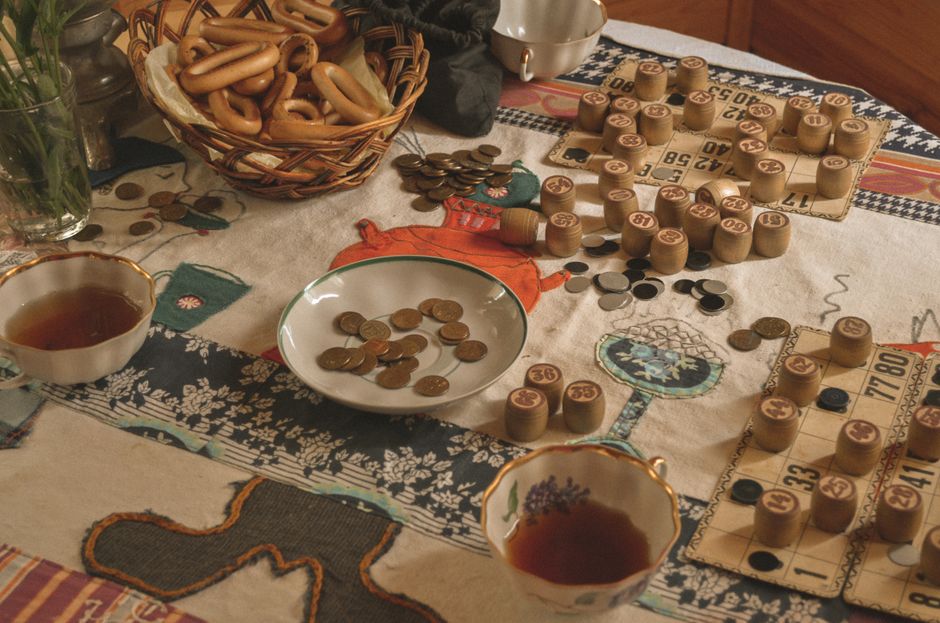
Before the scheduled start, use the waiting period to read the room details and check your ticket. When the draw begins, look for a clear change in status and an indication that numbers are being called. If chat is present, it may become busier at this point, but the game display should remain the main source of information about the draw.
- Choose a room: Compare format, price, start time, and the stated pattern.
- Review your entry: Confirm the number of tickets and total cost before purchase.
- Wait for the start: Watch the countdown or room status and read any on-screen instructions.
- Follow live play: Track calls and ticket markings, and use the room’s help information if something is unclear.
- Check the result: Look for the platform’s official result or confirmation rather than relying on chat messages.
If the screen seems to freeze or the room status is unclear, avoid buying extra tickets to solve the problem. Check the connection, refresh only if the platform’s instructions allow it, and contact support if you need help confirming your entry or the game result.
Using social tools to share the experience
Bingo can be a shared activity beyond the room itself. If you want to tell friends about a scheduled game or share a general gaming moment, social platforms such as Instagram and the Facebook share feature can help you pass along a post or link, where available. These are separate from in-room chat: they do not change the game rules or guarantee that friends will be able to join the same room.
Keep privacy in mind when sharing. Avoid posting account details, payment information, personal messages, or screenshots that reveal private data. Also check the platform’s terms and any rules about promotions before sharing content that appears to advertise a game or offer. A social post is not an official source for current room schedules; direct friends to the platform’s live lobby for up-to-date information.
Which room might suit you?
If you want a quick session, a 30-ball room may be worth considering, provided you are comfortable with a faster pace. If you prefer a familiar, potentially longer game with clearly stated milestones, look at the 90-ball listings. If social interaction matters, check whether the particular room has chat and whether the controls let you quiet it when you choose.
There is no single best format for everyone. The better choice is the room whose pace, price, schedule, and rules you understand before joining. A useful habit is to pause at the lobby rather than selecting the first game you see. That short check can prevent confusion once the numbers start being called.
The takeaway
MRQ Bingo rooms are best approached as scheduled sessions with their own details to review. Look for the start time, ticket cost, format, winning pattern, and prize information before entering. The 30-ball and 90-ball labels point to different game structures and paces, so read the rules for the individual room rather than assuming every game works the same way.
As for MRQ Bingo chat, treat it as an optional social feature and verify its availability in the room you plan to play. You can enjoy the game with or without conversation; the important information should mrq bingo chat come from the room display and official rules. When the waiting-to-live transition is clear and the pre-game details are easy to understand, it is much simpler to settle in and enjoy the session on your own terms.