How Do Smartphones Decode Live Casino Video While Running the Betting UI?
Live casino experiences have revolutionized online gambling, merging the thrill of physical casinos with the convenience of mobile technology. Companies like MRQ lead innovations that allow users to watch multi-camera live video streams while simultaneously interacting with complex betting interfaces on their smartphones. But have you ever wondered what’s under the hood—how smartphones manage to decode high-quality live casino video while running a betting UI smoothly?
In this article, we'll dive deep into the technical orchestration that makes this possible, touching on multi-camera studio production setups, lighting and visual consistency, mobile-first streaming constraints, and the critical roles of encoding and compression. References to insights from hardware authorities such as Hardware Times and standards bodies like the Society of Motion Picture and Television Engineers (SMPTE) will ground the discussion in best practices and industry benchmarks.
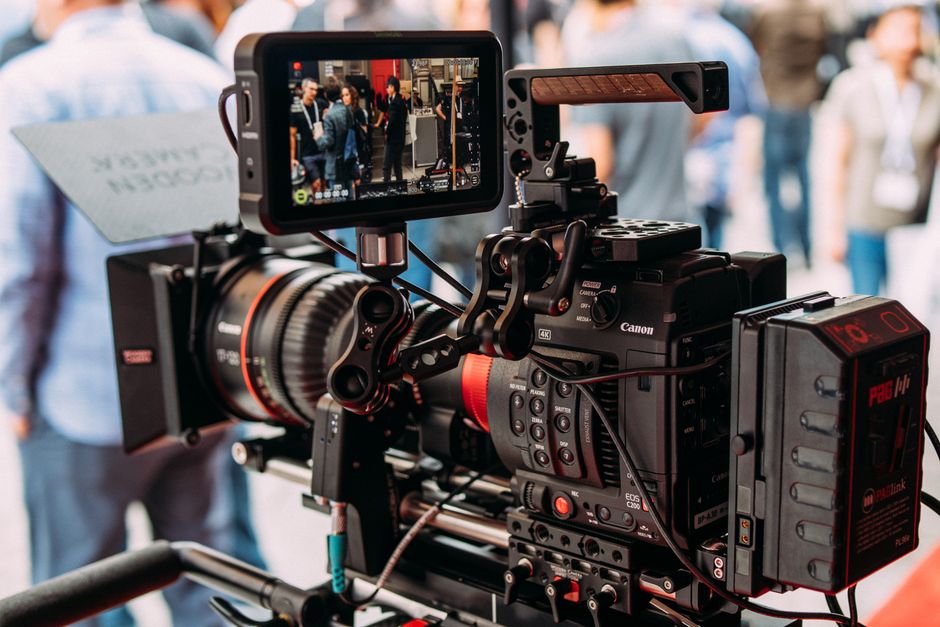
Multi-Camera Studio Production: The Foundations of Live Casino Video
At the heart of every high-quality live casino feed is a multi-camera production studio. Unlike traditional single-camera productions, these studios capture multiple angles simultaneously—covering the dealer, the table layout, reaction shots, and other key visuals that enhance the realism and transparency of gameplay.
- Camera Setup: Studios deploy between 4 to 12 cameras strategically positioned to offer comprehensive coverage. Each camera provides a unique perspective—some close-up on the dealer’s hands, others wide-angle to capture the entire table.
- Switching and Synchronization: A director or automated system switches feeds live, creating a dynamic viewing experience. This switch is coordinated with the game state, ensuring smooth transitions without breaking immersion.
- Video Feed Integration: The multiple feeds are blended into a composite stream for end-user delivery. Metadata and timecode from SMPTE standards help synchronize camera angles and overlay graphics precisely.
Hardware Times frequently points out the engineering challenges of keeping cameras aligned in color, white balance, and frame rate—critical for seamless switching and user comfort. In a live casino context, color accuracy affects how players perceive fairness, so lighting and visual consistency become paramount.
Lighting and Visual Consistency: The Underappreciated Hero
Lighting in a live casino studio is carefully controlled to offer:
- Visual Clarity: Ensuring dealer actions (shuffling, dealing, etc.) are clearly visible.
- Consistency Across Cameras: Matching luminance, color temperature, and contrast prevents jarring visual changes when switching angles.
- Audience Engagement: Creating an attractive and professional look that instills player confidence.
Color science and gamma calibration follow standards recommended by SMPTE to maintain consistency across devices—including smartphones with different display capabilities.
This visual consistency also reduces encoder complexity because these cameras produce more uniform input for compression algorithms. A well-lit, uniform image is easier to compress and decode, hardwaretimes.com optimizing processor workload on smartphones.
Mobile-First Streaming Constraints: Prioritizing Efficiency Without Sacrificing Quality
When live casino apps and mobile websites deliver streams to users, they must navigate the limitations inherent to smartphones:
- Processor Workload: Smartphones juggle video decoding, betting interface rendering, and network management simultaneously. Overloading the CPU or GPU can cause lag or crashes.
- Battery Life: Intensive video decoding and UI processing can drain batteries quickly, which impacts retention.
- Network Variability: Cellular networks are unpredictable. Streams must dynamically adjust to bitrate drops to keep streams fluid without freezing or stalling.
- Screen Size & UI: Betting interfaces must be responsive, visually clear, and easily navigable, overlaid on or adjacent to live video.
MRQ’s proprietary SDKs optimize for these constraints, offering adaptive streaming tailored to device capability and network conditions. They also prioritize low-latency delivery to keep casino action and betting responses in sync.
Hardware Times highlights that real-time OS scheduling and hardware acceleration (like dedicated video decode blocks) are critical. The question “what happens when this box overheats at hour 9?” echoes here—thermal throttling can cause frame drops or UI sluggishness if the decoder or processor struggles with continuous load.

Encoding and Compression: The Invisible Workhorse
Live casino streams rely on advanced encoding techniques to deliver smooth, high-quality video under the constraints described.
Adaptive Bitrate Streaming (ABR)
Streams are encoded at multiple bitrates and resolutions. Based on network speed and device capacity, the client switches quality levels seamlessly. This ensures low latency and buffer minimization while maintaining image quality.
Codec Choices
Codec Advantages Decoder Complexity Mobile Device Support H.264 (AVC) Wide compatibility, hardware decode acceleration Moderate High (all smartphones) H.265 (HEVC) Better compression efficiency, reduced bandwidth High (may raise processor workload) Growing, but limited on older devices AV1 Open-source, excellent compression Very High (software decode or limited hardware acceleration) Emerging support in latest devicesMost live casino apps and mobile websites currently favor H.264 or H.265, leveraging hardware decoders built into chipsets. This reduces processor workload and enhances battery life. According to SMPTE whitepapers, well-tuned encoding settings tailored to studio lighting and scene complexity optimize compression without losing critical detail.
Latency and Synchronization
Low latency is non-negotiable for live casino streams—players must see and react to dealer actions in near real time. Encoding pipelines designed by MRQ and others cut down buffer sizes and use real-time transport protocols (RTP) that prioritize minimal delay.
Synchronization between video streams and betting UI is critical:
- Timestamping frames using SMPTE timecodes ensures betting events align with video.
- Buffer management limits jitter and maintains smooth playback.
- Backpressure signals from CPU load balancing prevent degradation when devices are stressed.
How Smartphones Manage Mobile Video Decoding and Interactive App Interface Simultaneously
Modern smartphones integrate dedicated hardware for video decoding (like Apple’s VideoToolbox or Android’s MediaCodec APIs), offloading the processor and preserving responsiveness. Here's a breakdown of the process:
- Receiving Encrypted Video Stream: The live feed arrives via the network, often secured with DRM.
- Decoding Hardware Activation: The phone’s video decoding block decodes compressed video efficiently.
- Frame Rendering: Frames are sent to GPU or screen compositor for display.
- Betting UI Rendering: The CPU and GPU render betting controls and game state overlays concurrently.
- Input Handling: The app captures player touches seamlessly, updating UI states without interrupting video playback.
- Bandwidth & Resource Monitoring: Adaptive bitrate streaming tools dynamically adjust quality based on real-time performance.
In all steps, the system must avoid overloading any part, or you risk dropped frames or frozen UI elements.
Best Practices and Industry Insights
Experts at Hardware Times emphasize:
- Always monitor thermal states: Streaming may appear fine initially but can degrade hours later due to heat buildup.
- Prioritize hardware decoding: Software decoding for complex codecs like AV1 often kills battery life and overwhelms CPUs.
- Maintain smooth UI update loops: Betting interface animations must be lightweight and update asynchronously from video rendering.
SMPTE standards provide frameworks for timing, metadata, and synchronization essential to multi-camera live streams in casino environments.
MRQ’s development teams have extensive experience integrating real-time video streams with fluid interactive betting layers, setting a benchmark in the fields of online casinos and mobile web streaming.
Conclusion
Efficiently decoding live casino video on smartphones while running an interactive betting UI is a sophisticated dance of multi-camera production, consistent lighting, adaptive encoding, and low-level hardware acceleration. The convergence of studio engineering disciplines, mobile platform constraints, and real-time protocols makes it possible to deliver the immersive, responsive experiences players demand.
Understanding these layers—from SMPTE timecode synchronization to MRQ’s optimized streaming SDKs and the hardware realities highlighted by Hardware Times—helps developers and operators build resilient, scalable mobile video environments that keep players engaged, informed, and betting confidently.
Next time you place a bet on your phone’s live casino app or mobile website, you’ll know the complex ecosystem working behind the scenes to decode video, render UI, and keep the action live and thrilling.