How Do Slot Games Fit Reels and Buttons on a Phone Screen?
Slot games have come a long way from their mechanical origins, evolving through massive cabinets in casinos to now comfortably fitting in your pocket on a smartphone. But packing traditional reels and buttons onto a mobile screen isn't just about shrinking everything down. It’s a delicate balance of preserving gameplay feel, ensuring readability for small text, and maintaining touch targets large enough to interact with—while respecting the device's constraints.
In this article, we’ll explore how historical mechanical constraints shaped the size of early slot cabinets, why the cabinet footprint always exceeds the reel window, and how modern video slots adapted to both desktop and mobile screens. Along the way, we'll mention companies like MrQ Casino—a key player in the mobile slot UI space—and unexpectedly, the California Office of Historic Preservation, who help remind us how physical cabinet design told stories beyond gaming. Finally, we’ll clarify why diagonal screen sizes and aspect ratios can mislead when discussing user interfaces.
The Mechanical Origins of Slot Cabinet Size
Before digital displays, slot machines were electromechanical marvels. Each added celebmeadow.com reel, light, and button demanded physical space. The cabinet needed to balance three main considerations:
- Reel Space: The reels themselves were tangible cylinders with carefully wrapped symbols. Their diameter and separation dictated the front window size.
- Player Controls: Buttons, levers, coin slots, payout trays all took room.
- Structural Integrity: The entire machine had to support heavy moving parts and resist tampering.
This meant early cabinets were large—typically about 24–30 inches wide and sometimes over 70 inches tall. For context, a common office desk is roughly 60 inches wide, so these cabinets were sizable pieces dominating casino floors. The reel window—the visible spinning area—was only a fraction of this footprint, sometimes just 12–15 inches across.
The California Office of Historic Preservation has detailed many such classic machines in their archives, demonstrating how artistry, branding, and functionality all combined in that design space.
Why the Cabinet Footprint Exceeds the Reel Window
It’s crucial to understand that the cabinet is more than reels. The frame houses electronics (or mechanical gears), speakers, illumination, promotional artwork, and user interaction zones. The front panel often includes side buttons or change slots. This explains why some might say a machine's “reel size” is only part of the story when discussing physical dimensions.
From Arcade Cabinets to Video Slots: The Evolution of Size
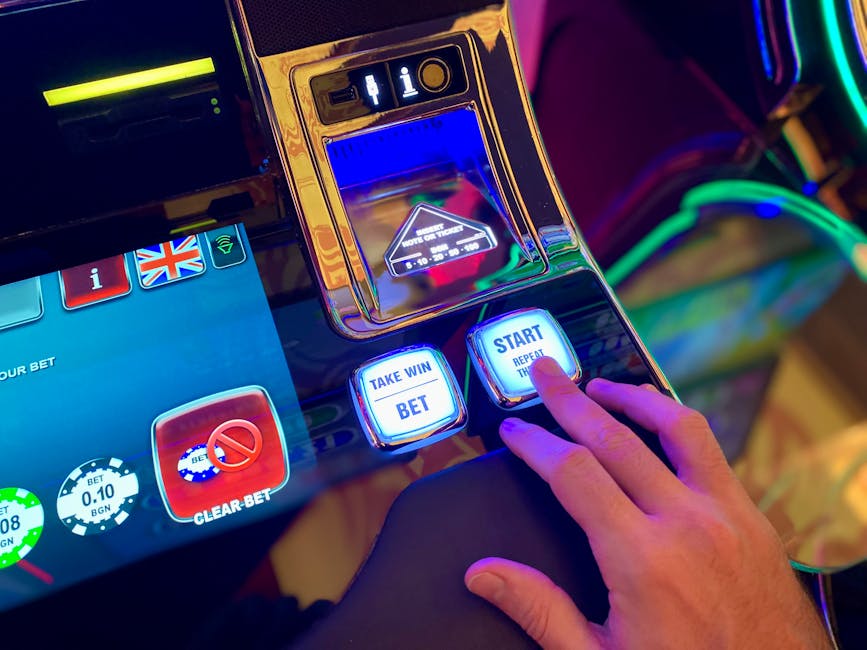
As video technology emerged, slot games shifted their displays to full LCD screens that could mimic reels digitally. This gave developers freedom to vary cabinet sizes and experiment with layout:
- Growing Bigger: During the 2000s, casinos embraced big video machines. Some measured nearly 40 inches wide, with high-def screens and expansive touch panels directly showing reels and buttons.
- New User Experiences: These machines introduced more interactive features (multi-line bets, bonus rounds) controlled via touch, but on large screens designed for standing players.
Yet these massive machines, great as they were for casino floors, conflicted with the rise of digital play on smaller devices. Enter mobile.
Mobile Slot UI: Challenges and Solutions
MrQ Casino is among operators innovating mobile slot experiences. Mobile slot UI requires carefully balancing the following:
- Touch Targets: Buttons and reels must be sized so thumbs can comfortably tap them without errors. The recommended minimum touch target size is about 48x48 pixels (roughly the size of a pencil eraser), ensuring accessibility.
- Readable Text: Bet amounts, paylines, and game instructions need to remain legible on small screens. Tiny fonts cause frustration, while oversized text eats valuable space.
- Screen Real Estate: Smartphone screen sizes vary. Designers often prioritize displaying the reels prominently, with buttons as overlays or in a bottom bar.
To achieve this, developers sometimes:
- Reduce the number of reels or symbols visible at once.
- Use minimalistic button designs and condensed menus.
- Restructure controls for one-handed operation.
Diagonal Inches and Aspect Ratio: What They Really Mean
When comparing a smartphone’s screen to a desktop monitor, it’s tempting to focus on the “diagonal inches” measurement. However, this metadata alone can mislead:

- Diagonal Size: Measures screen corner to corner; doesn’t reflect usable UI space directly.
- Aspect Ratio: Smartphones often have taller ratios (around 19:9), while monitors lean closer to 16:9 or 16:10. This impacts layout; for instance, reels that fit horizontally on a monitor might require stacking or scrolling on a phone.
For example, a 6.5-inch phone screen and a 24-inch desktop monitor both boast HD resolutions, but the physical viewing area and touch accessibility differ wildly. You wouldn’t expect to tap a button just 5mm wide accurately on a small phone, yet the same button can be much bigger on a desktop.
This is why developers test slots across devices, ensuring UI elements adapt dynamically—buttons stay thumb-accessible, and text remains crisp.
How Early Mechanical Constraints Still Influence Mobile Slot UI Design
Interestingly, the legacy of the old arcade and mechanical machines persists:
- Reel Counts: Classic three- and five-reel layouts remain standard, preserving familiar gambling metaphors and gameplay conventions.
- Button Placement: Even on mobile, “spin,” “bet max,” and “auto-play” buttons are grouped predictably, reflecting physical button layouts.
- Cabinet Theme: Many slots retain graphic frames and themed borders echoing slot cabinets, creating a nostalgic connection.
So, even as screen sizes shrink, these UI design cues help players quickly understand and trust the game.
Summary: What Makes Mobile Slot UI Work on Phones?
Factor Description Why It Matters Touch Target Size Buttons large enough for thumb taps (~48x48 px) Reduces input errors, improves gameplay flow Readable Text Clear fonts, sufficient contrast, legible size Prevents eye strain, guides user decisions Reel and Button Layout Optimized for aspect ratio and screen size Ensures important data is front and center Legacy Layouts Classic reel and control designs Maintains familiarity and trust Adaptive UI Resizes/UI elements shift for device type Seamless experience on smartphone and desktopFinal Thoughts
Packing reels and buttons onto a smartphone screen is both an art and a science. The roots run deep, from mechanical machines preserved by the California Office of Historic Preservation to sprawling video cabinets with oversized touchscreens. Yet, it is the ingenuity of modern mobile game designers—exemplified by platforms like MrQ Casino—that ensures classic slot gameplay feels right at home on your phone.
Next time you launch a slot game on your smartphone, remember: what looks like a tiny screen is actually a carefully crafted space balancing touch targets, legible text, and iconic layouts that emerged long before the era of mobile gaming.