How Did Casinos Make the Physical Procedure Understandable to Players?
A casino game asks players to follow more than a set of rules. They must see when a wager is allowed, understand where it belongs, recognise when play has begun and learn how a result is recorded. Casinos have addressed these practical questions through the objects and spaces of play: tables, marked betting areas, cards, chips, wheels, balls, machines and the gestures of dealers.
This is an object-led history of casino procedure. Rather than treating equipment as decoration, it asks what each object lets players see and do. A marked surface can sort wagers; a chip can make a stake portable and countable; a dealer’s movements can signal cards conceal and reveal a change of phase. These practical design choices help make a game followable, though they do not necessarily make every part of its operation visible.
Equipment as an instruction system
In a casino, instructions are often built into the equipment. A player may learn by watching others, listening to a dealer or reading a notice, but the table itself also provides cues. A line suggests a boundary. A labelled space assigns a place to a bet. A tray separates chips by value or function. A wheel and ball make a particular sequence of actions legible: wagers are placed, betting closes, the ball is released, and a result is announced and paid.
These cues are useful because casino games happen in real time. A player needs to decide not only what a rule means, but when to act. Equipment can give that timing a visible form. The dealer’s call, a hand gesture, a marker or a change in the state of the table may indicate that betting has ended or that the next round is beginning.
Yet a visible convention is not the same thing as a mechanism. A sign, light or animation can tell a player what phase of play they are watching without showing how a result was produced. That distinction matters when interpreting both historical objects and modern displays.
Marked surfaces organise action
Casino table markings are functional equipment. Printed or inlaid areas tell players where to put wagers and help staff identify what those wagers mean. They also divide a busy surface into zones that can be read quickly from different positions around the table. Names, numbers, colours, lines and repeated layouts turn a plain tabletop into a working diagram.
In roulette, for example, the betting layout is not simply a picture of the wheel. It is a separate interface for placing wagers on numbers, groups of numbers, colours and other categories. The wheel produces the winning number; the layout organises the possible bets and helps the dealer settle them. Confusing the two obscures how the game works. It is also worth noting that roulette tables and wheel arrangements vary: a single-zero European layout is not identical to a double-zero American one, and equipment can differ in other details too.
The location of a wager can make its meaning visible to both player and staff. A chip placed on a marked intersection may indicate a particular combination of outcomes; a chip inside a labelled area indicates another. The markings reduce the need to explain every possible bet verbally, while giving the dealer a shared reference for confirming and paying it.
Why layout matters
Layout is part of the procedure, not merely a backdrop. It determines where players can reach, how wagers are separated and what the dealer can inspect. A crowded or poorly positioned layout can make a bet hard to see or ambiguous to settle. Conversely, clear divisions help make the sequence of play easier to follow.
- For players: markings indicate where a wager may be placed and what it represents.
- For dealers: zones help identify, sort and settle bets.
- For the group: a shared layout lets players follow the state of the round without each person needing a private explanation.
Not every game uses the same kind of surface or the same relationship between table and equipment. In roulette, the layout sits beside the wheel. In blackjack, the table positions, betting circles and dealer’s area help define turns and deal positions. In craps, the extensive layout accommodates multiple bet types and a game in which players may handle or throw the dice. Treating all casino tables as interchangeable misses the ways their designs answer different procedural needs.
Handling: making turns and responsibilities visible
Physical objects also shape who does what. Cards pass between dealer and player; dice are picked up and thrown; chips are placed, moved and collected. These handling conventions help establish responsibility and sequence. A dealer may indicate that a player’s turn has begun, while a player’s action changes the state of the game in a way others can observe.
The handling of equipment can also limit confusion. A designated area for wagers distinguishes a bet from chips being held or counted. A dealer’s tray keeps working stock separate from the betting surface. Procedures for placing or withdrawing a wager help establish when an action is final. In this way, the physical arrangement supports both play and the recording of what has happened.
That does not mean every movement is self-explanatory. Players may need to learn local conventions, and dealers often act as interpreters of the table. Equipment works with speech and gesture, rather than replacing them. A clear layout can make a procedure easier to follow, but it cannot guarantee that a new player will understand it without guidance.
Recording results and resolving disputes
Casinos need outcomes to be settled consistently. A winning number, card total or dice result must be identified, communicated and connected to the wagers on the table. The physical procedure therefore includes ways of recording or marking the result, even when the record is temporary.
In roulette, for instance, the winning number may be announced and marked with a small indicator on the layout while wagers are settled. The marker links the result to the betting diagram and helps staff and players follow the payout process. It is not the mechanism that generated the outcome; it is a record of the outcome for the current round.
Other games use different combinations of visible display, dealer announcement and table practice. A card total may be read from the cards themselves and confirmed aloud. A machine may show a result on a screen. Across these examples, the design problem is similar: how can the result be made clear enough to act on, and how can the state of play be kept distinct from the next one?
Design feature What the player can see What it helps the procedure do Marked betting area Where a wager belongs and which category it represents Sort and settle wagers Dealer gesture or call That a phase has changed or an action is required Coordinate timing and turns Result marker Which outcome is being settled Connect the result to the relevant bets Machine display A presented game state or outcome Communicate the result through an interfaceVisibility is not the same as transparency
Casinos make procedures visible in practical ways: players can watch a dealer handle cards, observe a ball travel around a wheel or see wagers collected. But visibility has limits. A spectator may see the final result without being able to inspect every part of the equipment or understand the internal process that led to it. The design can make a game readable as a sequence while leaving some operations out of view.
This distinction is especially important when interpreting images and broadcasts. A photograph may show only part of a table, a wheel, a machine or the dealer’s working area. It may record a moment after betting has closed, or before a result has been announced. From a still image, it may be possible to identify the visual convention—a marked betting area, for example—without establishing exactly what action is taking place.
Live streams extend the viewing experience by showing physical equipment in use. A camera can let remote viewers follow a dealer’s handling, see the layout and watch a round unfold over time. But camera position matters: a close view of the wheel may omit the betting layout, while a wide shot may make individual wagers difficult to distinguish. A stream can improve game procedure visibility, but it is still a framed view of the event, not an unmediated view of every part of the operation.
From physical machines to animated reels
Slot machines offer a useful comparison because their interfaces have changed substantially. On a traditional mechanical machine, visible reels, a handle or button, and a paytable could connect a player’s actions to a sequence that was physically presented. Even then, seeing reels turn did not necessarily reveal every internal feature of the machine’s operation. The reels were the visible display and part of the experience; the mechanism that determined outcomes was a separate matter.
Modern digital slots often use animated reels. Symbols move across a screen, stop in a recognisable arrangement and are interpreted through a paytable or other interface cues. The animation makes the result easy to read as a visual event. It can echo the look of physical reels, but it does not prove that the game operates through rotating mechanical drums. Here, again, it is important to separate what is seen—the visual convention of reels—from what is happening in the underlying system.
The interface still shapes player action. Buttons and on-screen labels indicate how to start a round, select a stake or review a result. The display packages information into a sequence that a player can follow, much as a table layout organises wagers into zones. The resemblance is one of function—helping players understand and act—not necessarily of mechanism.
What objects can tell us about casino history
An object-led approach asks what a piece of equipment made possible in its setting. A table surface can reveal how bets were grouped; a chip can show how value was represented and handled; a machine can show which actions were presented to the player. Wear, repairs, labels and changes in construction may also offer evidence, though an object alone rarely tells the whole story.
Images need the same care. A photograph of a roulette wheel without its layout shows only part of the equipment needed to understand betting. A view of a dealer handling cards may not show the player positions or the point in the round. A machine cabinet may document its visible controls but not, by itself, establish how outcomes were generated. Pairing objects with operating instructions, floor plans, regulations, advertisements and testimony can produce a fuller account.
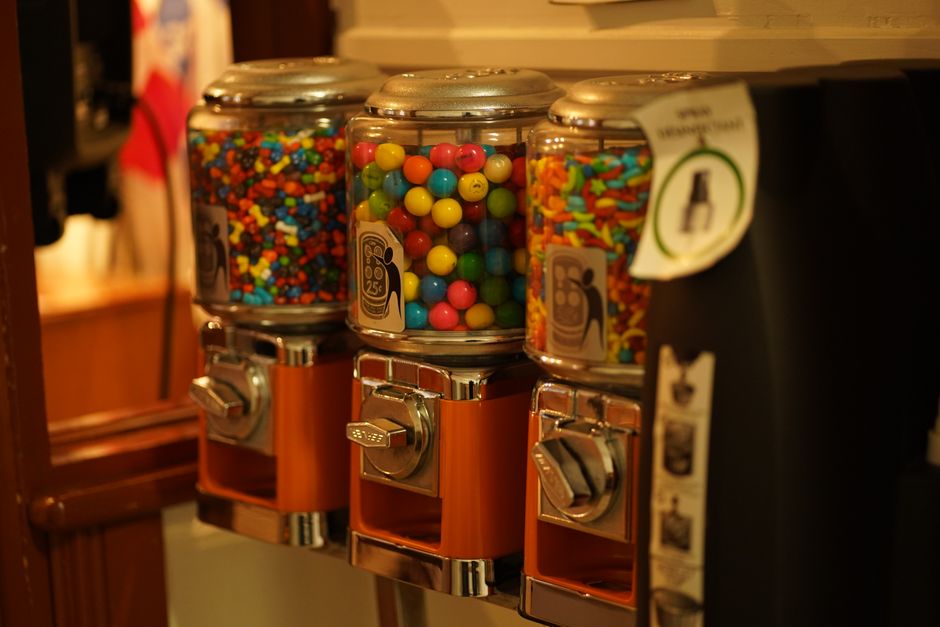
This method helps avoid treating design as neutral. Equipment channels movement and attention: where a player stands, where a wager goes, which action is permitted and what result is presented. Those are practical design choices, shaped by the need to coordinate play in a shared space.
Making a game followable
Casinos make procedures understandable through layers of cues rather than through a single explanatory object. Marked areas organise bets; equipment affords particular kinds of handling; dealers use calls and gestures to coordinate timing; result markers and displays help record what has happened. Tables and layouts are therefore active parts of the game’s operation.
Live streams and animated reels show how the same challenge continues in newer forms. A stream can bring physical action to remote viewers, but its camera reveals only a selected view. An animated reel can make a digital result visually familiar, but its appearance should not be mistaken for evidence of mechanical action. In each case, the key question is not only what the player sees, but what the interface lets them do and how it communicates the state of play.

Understanding casino procedure begins with that distinction: the visible convention helps players read the game, while the mechanism and the rules determine how it works. Looking closely at both—and at the table or interface connecting them—shows how casinos have made complex sequences of action manageable for players, staff and observers.